Irá estar na Fundação Gulbenkian, a 25 e 26 de Novembro, para uma interpretação da obra “As Estações” de Haydn.
Para quem não conhece a Soprano, fica aqui um pequeno excerto da Wikipédia sobre a sua vida e obra.

Irá estar na Fundação Gulbenkian, a 25 e 26 de Novembro, para uma interpretação da obra “As Estações” de Haydn.
Para quem não conhece a Soprano, fica aqui um pequeno excerto da Wikipédia sobre a sua vida e obra.
Estive lá e posso-vos garantir que foi uma meia hora muito mais interessante do que o video faz transparecer, quem fez a edição deixou muito a desejar. Vivido foi bem mais interessante digo-vos.
A Fundação Gulbenkian sobre o Concerto de Ryuichi Sakamoto amanhã, 21 de Novembro, segunda-feira, no Grande Auditório:
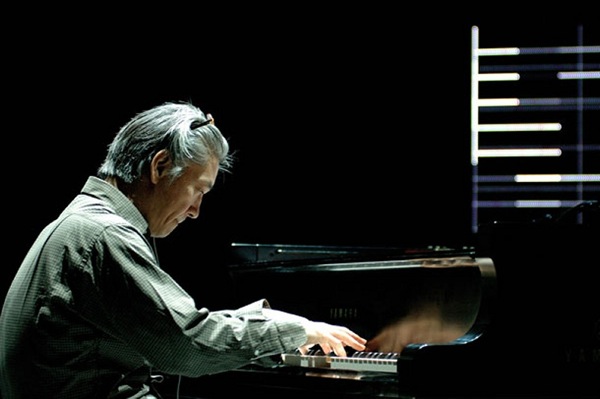
“As músicas que compôs para filmes (Feliz Natal Mr. Lawrence, O Último Imperador ou Um Chá no Deserto…), as suas múltiplas e variadas colaborações artísticas (David Bowie, Caetano Veloso, David Sylvian, Robert Wyatt, David Byrne, DJ Spooky, Bill Frisell, Youssou N’Door, Cesária Évora…) contribuíram para fazer de Ryuichi Sakamoto uma estrela internacional.
Piano, violino e violoncelo foi a formação acústica que escolheu para gravar, na década de 90, algumas das suas músicas para filmes e algum do seu repertório mais pop, o título deste cd foi 1996, ano em que foi efectuada a gravação.
Passados 15 anos, Sakamoto regressa novamente ao formato de trio, com o violoncelista brasileiro, Jaques Morelenbaum, que já tinha participado no projecto primitivo, e com a jovem violinista canadiana, Judy Kang, que foi escolhida para participar nesta digressão, após um concurso realizado na internet pelo próprio Sakamoto.
Este concerto integrado na programação da Gulbenkian Música encerra uma tournée europeia de catorze actuações em França, Inglaterra, Itália, Alemanha, Bélgica, Espanha e Portugal. Em Espanha aproveitou ainda para fazer o lançamento da sua autobiografia «La Musica os hara librés. Apuntes de una vida».
Esta actuação será transmitida em directo pela internet – à semelhança de todos os outros concertos realizados nesta digressão europeia – sendo a gravação efectuada e assegurada pela equipa técnica que integra a tournée europeia, permitindo assim a todos os que não conseguiram adquirir ingressos para este concerto, que se encontra esgotado desde há muito, a possibilidade de assistir ao regresso de Ryuichi Sakamoto aos palcos europeus.”
Amanhã às nove quem não tem bilhete poderá assistir ao concerto em directo pela Internet! Isto são muito boas noticias!
Quem quiser assistir pode aqui!
Um tema pouco abordado sobre um género que ficou à margem da História da Música.
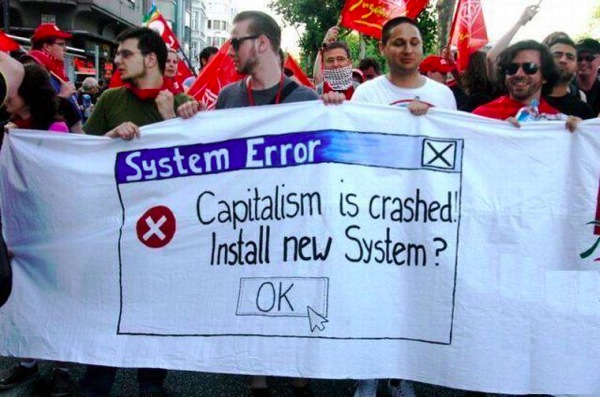
O que ainda ninguém me conseguiu explicar qual é o novo sistema que querem implementar, porque isto de barafustar contra o Capitalismo e a Democracia, tal como os conhecemos, é muito fácil, propor novas soluções e pensar noutros sistemas deixa-se para os outros.
As formiguinhas decidiram que este não querem, portanto os senhores políticos, que estão sentados nas poltronas, arranjem uma solução.
Quando dizemos que não queremos algo, devemos já ter em mente uma opção, uma proposta, porque senão soa sempre ao bater do pé de uma criança birrenta.
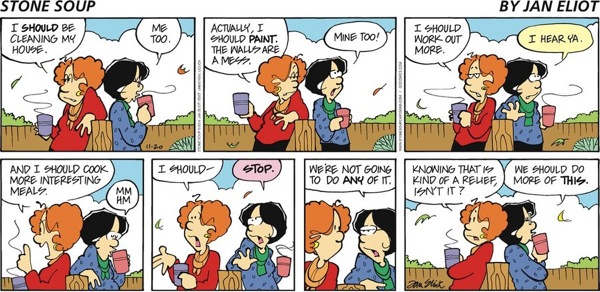
Porque é que as tarefas que planeamos fazer no fim de semana são sempre mais difíceis de concretizar?
Um documentário impressionante sobre pessoas que sonham e fazem acontecer.
Most of them are still self-taught amateurs. Even for those fortunate enough to have trained for a profession and found a halfway regular job, everyday life in the metropolis of Kinshasa with its eight million citizens is a constant struggle for survival. For many the working day begins at six in the morning, frequently a great deal earlier for the ones who cannot afford to share a taxi and have to walk miles to get to their workplaces. Despite this they attend the rehearsals that go on until well into the night, practically every day. A staggering example of discipline and enthusiasm.
In the meantime some of the orchestra’s repair artists have a whole collection of self-devised and self-built tools that they need to mend instruments. Their methods are as unorthodox as they are effective. Other members of the orchestra make their concert attire themselves, procure the sheet music required and make sure that the children are fed and looked after during the long evening rehearsals.
Espero que a História o venha a confirmar. Nestas reportagens aparecem sempre as coisas fantásticas que ele faz, mas muito pouco da pessoa que ele é. Os jornalistas pegam nestes meninos e tratam-nos como macaquinhos de circo e isso faz-me uma certa urticária. Fiquei com curiosidade de conhecer o trabalho dele e apenas por isso divulgo a reportagem, pelo seu trabalho, pelas coisas que lhe aparecem na cabeça e que ele ainda não percebe de onde vêm, mas que um dia vai perceber.
Gosto sempre de rever estes momentos, são imagens que reportam à minha infância e aos serões em familia, sessões de Charlin Chaplin e Laurel and Hardy.